


Dachstein Glacier cable car Good to know

Technical specifications
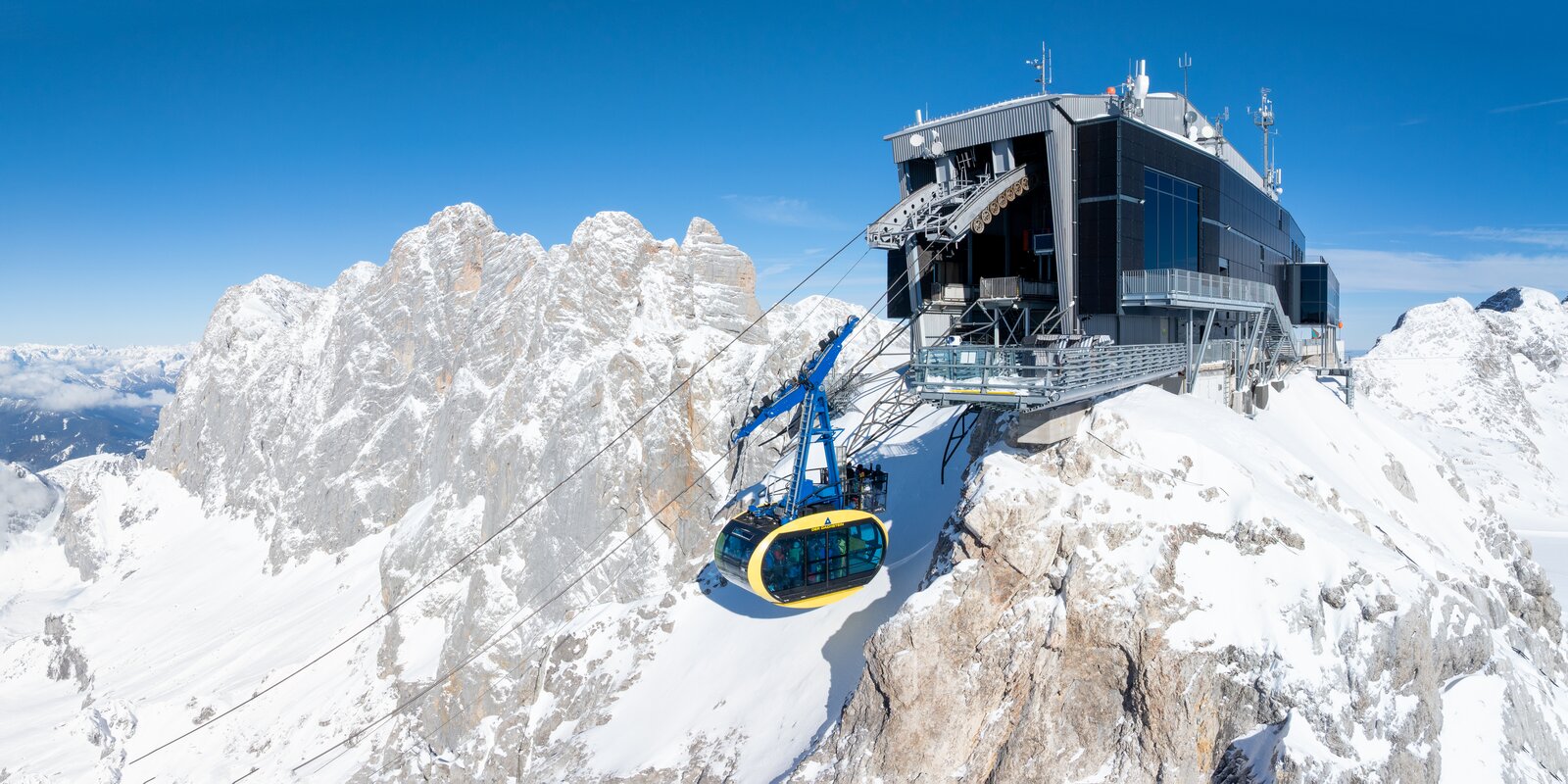
Located in the heart of the Schladming-Dachstein region, the Dachstein Glacier Cable Car has been transporting guests to the Dachstein Glacier at an elevation of approximately 2,700 meters above sea level since 1969. Year after year, the Dachstein Glacier Cable Car covers impressive distances: On average, it travels 21,388 kilometers per year (as of 2025), climbs 4,902,249 meters in elevation, and transports approximately 516,971 guests as well as about 5,400 metric tons of material.
|
Cable height at the valley station
|
1,703.00 m
|
|
Cable height at the mountain station
|
2,700.15 m
|
|
Elevation difference
|
997.15 m
|
Structure of the panoramic gondola
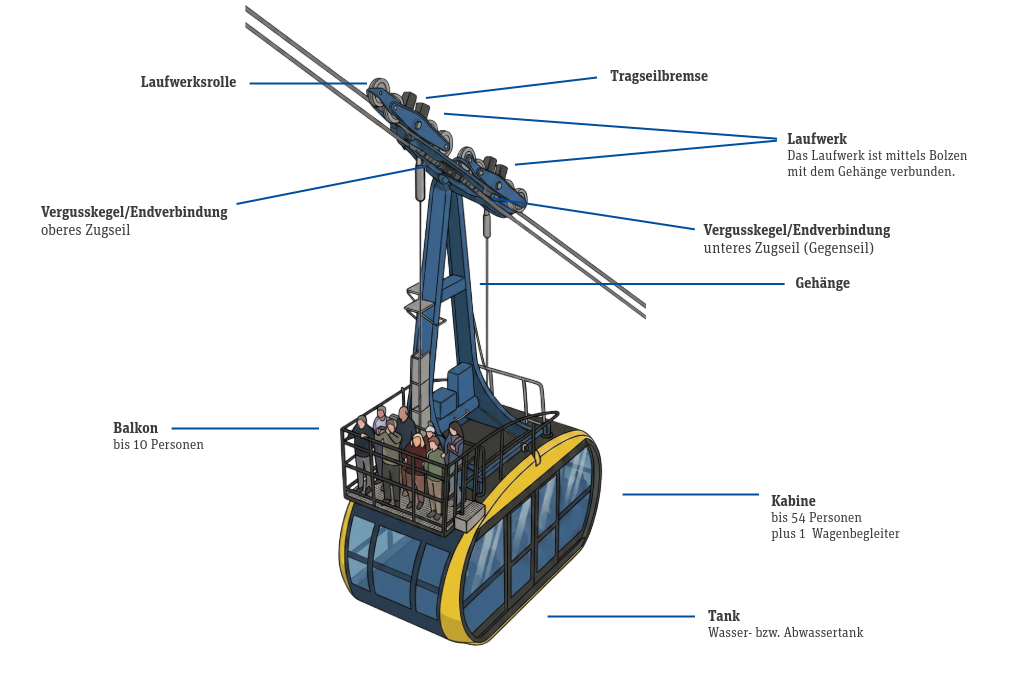
The Dachstein Glacier cable car’s panoramic gondola is the centerpiece of the cableway system. The interaction between the drive system, the suspension, and the cabin ensures reliable operation on one of the most impressive pillar-free cable car routes in the Alps.
How the cable car works
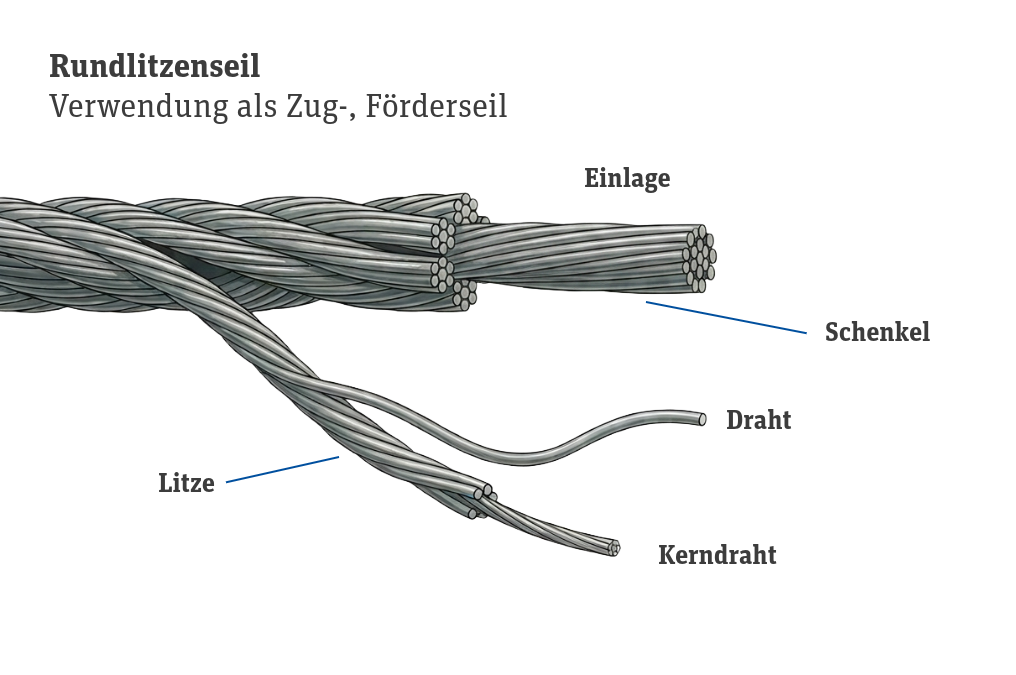
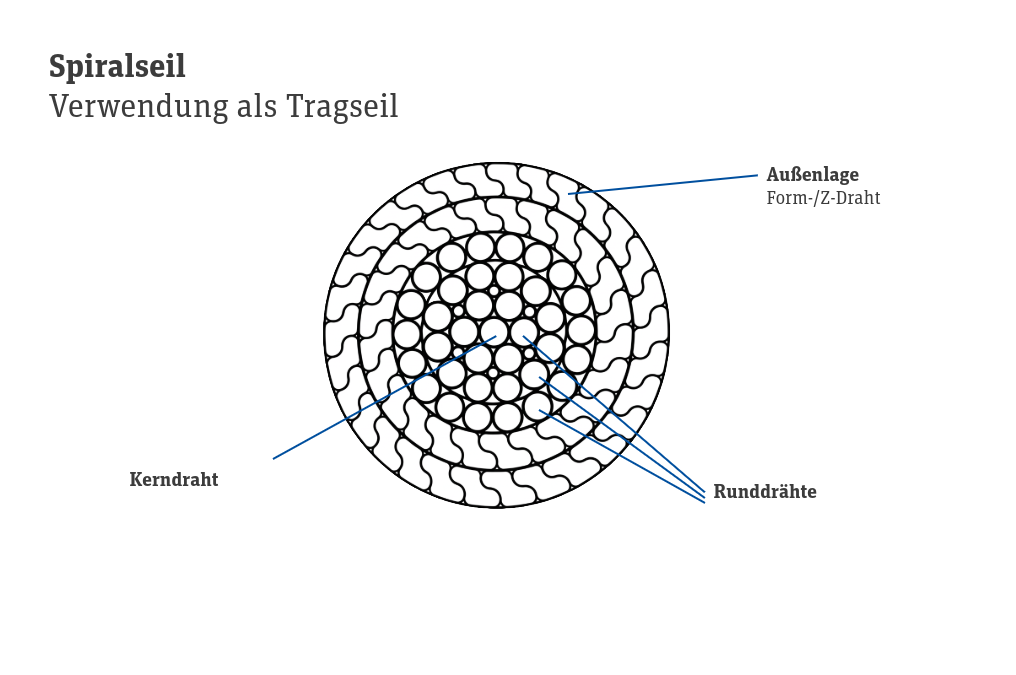
The gondola of the Dachstein Glacier cable car is connected via its suspension system to the running gear, which travels along the suspension cables. Both gondolas are connected to each other by a haul rope, which is driven by the propulsion system at the mountain station.
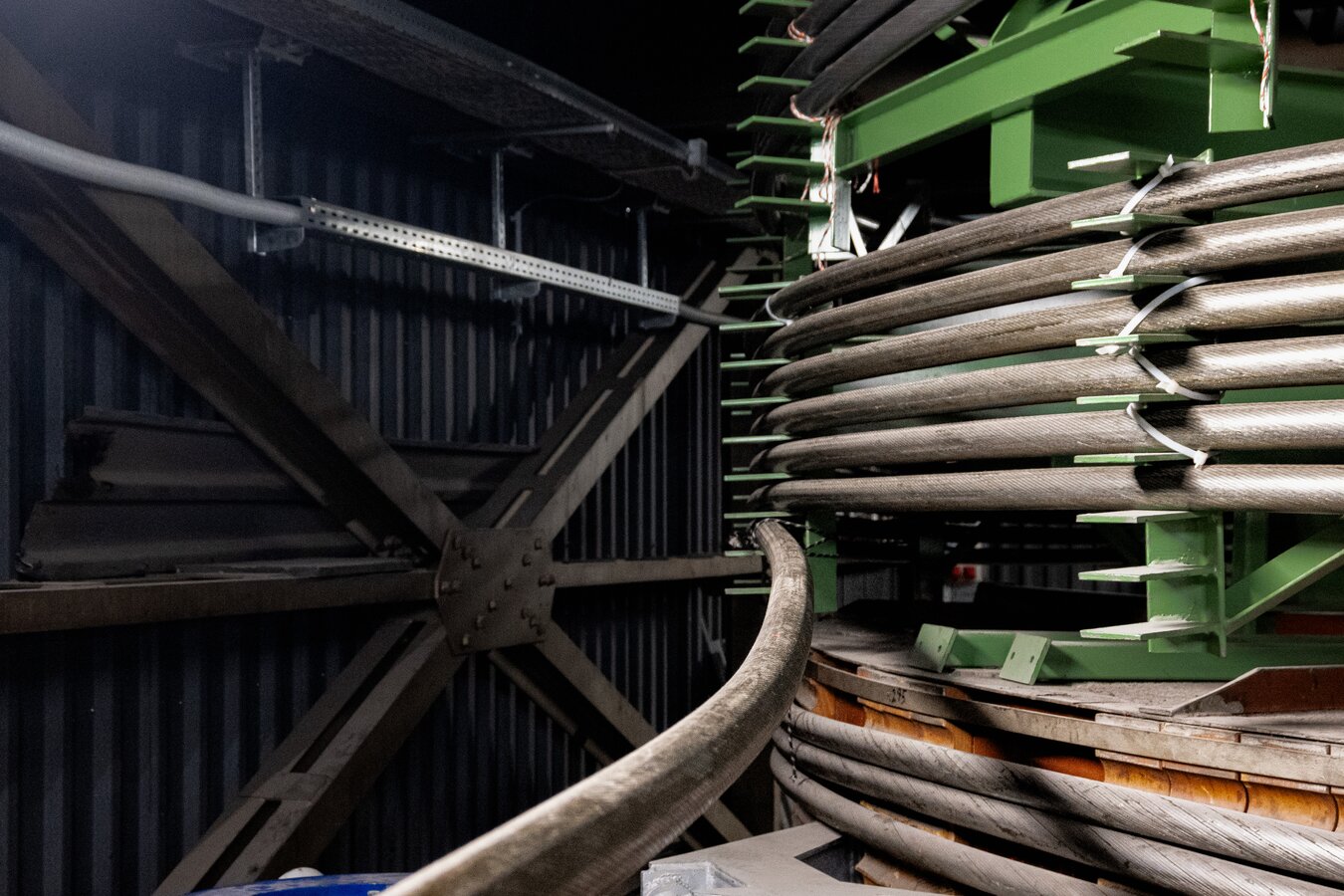
At the valley station, the return cable is guided over a pulley loaded with weights. Together with the haul rope and the running gear, this creates a closed rope system. During operation, the two gondolas travel back and forth simultaneously between the valley and mountain stations. In doing so, they balance each other out, as the weight of the gondola traveling uphill is counterbalanced by the gondola traveling downhill.
A unique feature of the Dachstein Glacier cable car is that the entire 2,174.91-meter route is covered without any intermediate supports.
Facts and figures
At a glance
|
Track length (horizontal length)
|
1,933.76 m
|
|
Operating length (diagonal length)
|
2,174.91 m
|
|
Track width Valley
|
23.00 m
|
|
Track Gauge (Mountain)
|
6.10 m
|
|
Main Drive Position
|
Upper Station
|
|
System
|
Three-Phase Asynchronous Motor with a Frequency Converter
|
|
Engine Rated Power
|
2 × 315 kW
|
|
Type and Location of the Tensioning Device for the Carrying Cables
|
Weight-supported cable in the valley
|
|
Type and Location of the Tensioning Device for the Tension Cable Loop
|
Weight-supported cable in the valley
|
|
Capacity of Cars 1 and 2
|
54 + 1 people
|
|
Maximum flow rate
|
445 people per hour
|


